
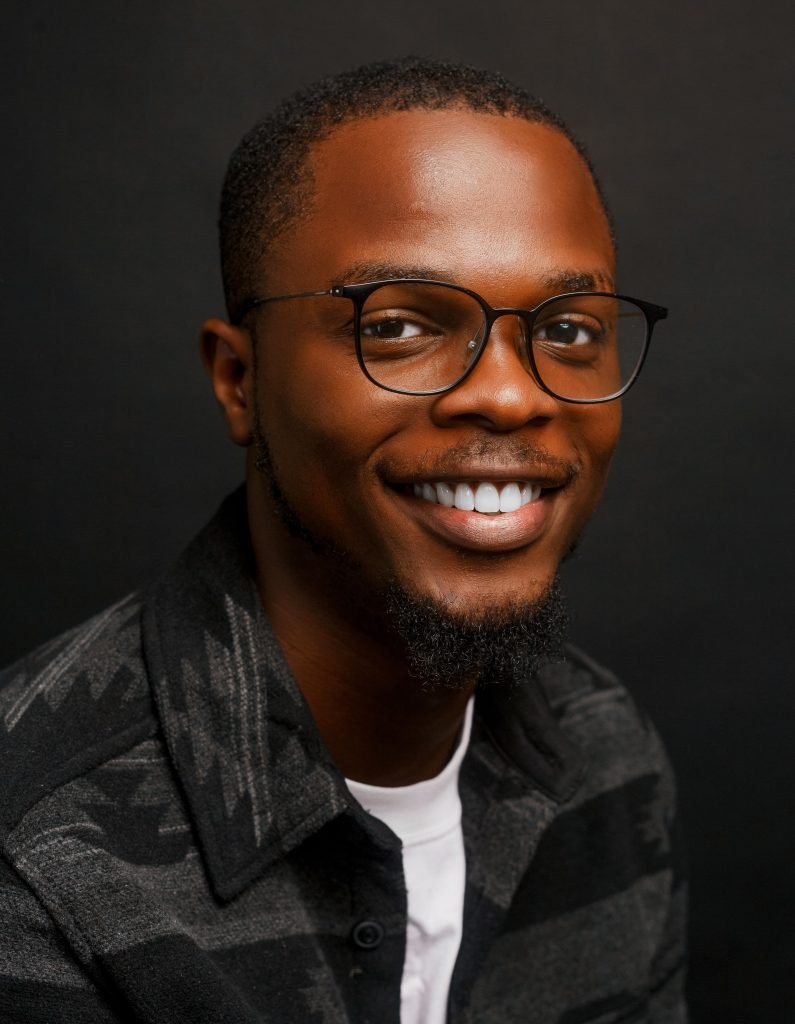
As The Iroko Circle website officially launches, we sat down with its founder, Nwabụnike Chinedum, to talk about why he is building a reading community centered entirely on African stories and where he intends to take it.
Interviewer: Hiii. We would like to have a very brief chat with you about The Iroko Circle. The Iroko Circle has a striking name. What does it mean to you, and why did you choose it?
Nwabụnike Chinedum: The Iroko tree is one of the oldest and tallest trees on the African continent. In many cultures across West Africa, it is not merely a tree, it is a gathering place. Elders meet under it. Stories are told beneath it. I would also like to say that it can be associated with memory, rootedness, and permanence. A circle suggests continuity and belonging. Someplace you can come back to, season after season. I however did not come up with the title alone, because I remember we started out as The Fireplace, but when we wanted to do registration and all the formalities, we realized that the name had already been taken. With the help of my team, we were able to work around the new name. Also, it is a circle, and it covers a lot of other things we intend to introduce as time runs.
Interviewer: Before The Iroko Circle, what was your relationship with African literature? Was there a book, a writer, a moment that made you feel this needed to exist?
Nwabụnike: I’ve been a reader for as long as I can remember, but it was somewhere in my university years that I began to notice a gap between how deeply I was affected by African fiction and how few spaces existed to actually sit with other people and talk about it.During the Covid pandemic, I started reading more African literature, as prior to that time I read everything else but not African books. I’d finish a novel and give a review on Facebook or Instagram and people would comment about how they struggle to read, the lack of accountability and the need to have other persons who could help them. This went on until 2022 when we started the group as an accountability group for readers. In 2023, we had our first call for review. So I won’t say there was exactly a book, but there was a moment. *laughs*
Interviewer: So the gap wasn’t just about access to the books, it was about having the right conversation around them and the right circle for accountability or some sort of encouragement?
Nwabụnike: Exactly. Access is one problem; the desire to read and have someone read with you to encourage you is another. African literature has always existed. Writers have always been writing good books. What has sometimes been missing is the sustained, serious, community-level attention that treats these books as world literature, not just as regional curiosity, or as political statements, but as art that demands the same close reading, the same critical engagement, the same emotional investment that we would bring to any book by any writer anywhere. The Iroko Circle is, at its heart, an argument that African stories deserve that quality of attention.
Interviewer: Walk us through how the Circle actually started. Was it a formal founding moment or did it grow more organically?
Nwabụnike: It started the way a lot of meaningful things start, somewhat quietly, with a small group of people who shared a desire. At first, it was on Whatsapp, people from all over Nigeria needing accountability for their reading habits. We started as a group of 12, we had professionals, older folks who needed to get back to the habit of reading. Then we grew to 30, then to 50, at some point we were 120 and that was when we found the need to start weeding out the inactive people who were not making any effort to actually read. And yes, strictly African literature. We began gathering to read and discuss books, and the conversations were so rich that it became obvious this needed to be structured and better. Brick by brick, the structure came, the vision crystallised. What I noticed early was that the hunger was real. People actually read, and once you create a space where they feel their perspective on an African book is welcome and respected, they show up. They bring their whole reading selves. From there, the question became not whether this could work, but how to build it with enough intentionality that it would last. While we’ve significantly cut down on numbers, because we want a small close-knit community, we still are growing.
Interviewer: Why focus exclusively on African literature when there are so many global book clubs?
Nwabụnike: African stories have always been filtered, or placed at the margins of global literary conversations. Yet within the continent and across the diaspora, writers, even new ones, have been writing excellent and relatable stories about languages, griefs, humor, migrations, and revolutions with rigor and imagination.
We’re not against other literatures, far from it. But our club exists to correct an imbalance. When we center African voices, we’re not just reading; we’re reclaiming narrative sovereignty. The conversations that happen here about identity, feminism, migration, class, even politics, feel urgent and intimate and real because somehow, we live these lives and even when we read books from other African authors who aren’t Nigerian, we relate to the themes and stories. African literature speaks directly to our lived experiences, and I wanted a space where that dialogue could flourish without dilution.
Interviewer: The website features a “Shelf” for essays, features, poetry, short stories, reviews. That goes beyond a typical book club, right?
Nwabụnike: We are a literary community, and a literary community has to be generative, not just consumptive. Yes, we read books together. But we also want to pay attention to unrecognized and upcoming voices in Africa that write original creative work, a platform for African writers and critics, that document conversations and works that deserve to be documented. We also intend to pay close attention to the people behind the work through features and interviews, we want to bring the human story of African writers into the conversation. Literature doesn’t appear from nowhere. It comes from lives, and those lives matter.
Interviewer: So people who submit their works are not just members of the circle?
Nwabụnike: No. You do not need to be a member of the circle to give your creative masterpiece a home. When submissions open, it is for the public.
Interviewer: What has surprised you most about the journey so far?
Nwabụnike: The appetite. I always believed the appetite to read has always been there, but there is a difference between believing something and seeing it confirmed by real people showing up, real conversations happening, real writing being submitted. I think the country and even the continent just have a lot going on that sway people’s time and dedication to things they want to do, not just reading. People are hungry to read African literature, to be taken seriously as readers and thinkers, to have their relationship with these books held in community. Not just the circle’s book club, but other book clubs as well. That has been both humbling and energising. I am so happy to see people who read literature and I have also been surprised by how quickly a sense of ownership develops. When people feel genuinely welcomed into a literary space, they stop being participants and start being builders. That shift is everything.
Interviewer: You describe reading African literature as “an act of attention.” What do you want members of the Circle to understand about why that framing matters?
Nwabụnike: Um, I think framing changes behaviour, because if you approach African literature as something you are obligated to support, maybe out of solidarity, or guilt, or political correctness, you will read it with a different quality of attention than if you understand it as something that will genuinely reward you intellectually and emotionally. We are not asking anyone to read African books as an act of charity. Afterall, I personally read books from a wide number of authors globally. We are saying stories by Africans are extraordinary. They insist on complexity. They refuse easy answers. They carry geographies and histories and interior lives that are irreplaceable. Come to them the way you would come to anything that moves you. That is the attention we are asking for.
Interviewer: What are some standout moments or books from the journey so far? How have you also been able to handle physical meetings?
Nwabụnike: We have had standout moments, but I think the ones I hold dear to heart is the quiet wins of people who had not finished a book in years now reading two per month; members becoming bolder to host reviews, and knowing when to take action. These small transformations are the real victories.
Since we are scattered all over Nigeria, it is tasking to get physical meetings, however, we’ve been able to work on Chapters, where people in their corners could start a small physical near them. We have already done that in Lagos, and we have physical meetings in Lagos.
Interviewer: What do you ultimately hope to achieve through The Iroko Circle and its Book Club?
Nwabụnike: My deepest hope is that we become a catalyst for a new generation of African readers and writers who see their stories as central, not peripheral. I want us to build a robust archive of African literary criticism that future scholars and casual readers alike can draw from. We want to also run book drives to foster literacy and reading in secondary schools as well. Practically, I dream of physical chapters in more cities, annual Iroko Literary Festivals, Book Drive partnerships that get African titles into more schools and libraries, and a platform where emerging writers feel supported rather than invisible. I want the Circle to be a name that comes up naturally whenever people are talking about African literature as a living, growing tradition.
Interviewer: What advice would you give to someone who wants to start reading more African literature or join a community like yours?
Nwabụnike: Start where you are. Pick one book that feels personal, maybe something set in a city you know or one a friend can’t stop talking about. Don’t be afraid to read slowly, Join us on socials or subscribe on our website to receive our newsletters. Bring your questions, your disagreements, your laughter, and of course when submissions open, do not forget to submit your pieces for consideration, The circle grows stronger with every new voice added to it.
The Iroko Circle officially launches online this weekend at www.theirokocircle.org. You can also follow the community on Instagram, X and TikTok at @theirokocircle.
2 comments
I love this. Welldone champ 🫶
amazing read, and well done!